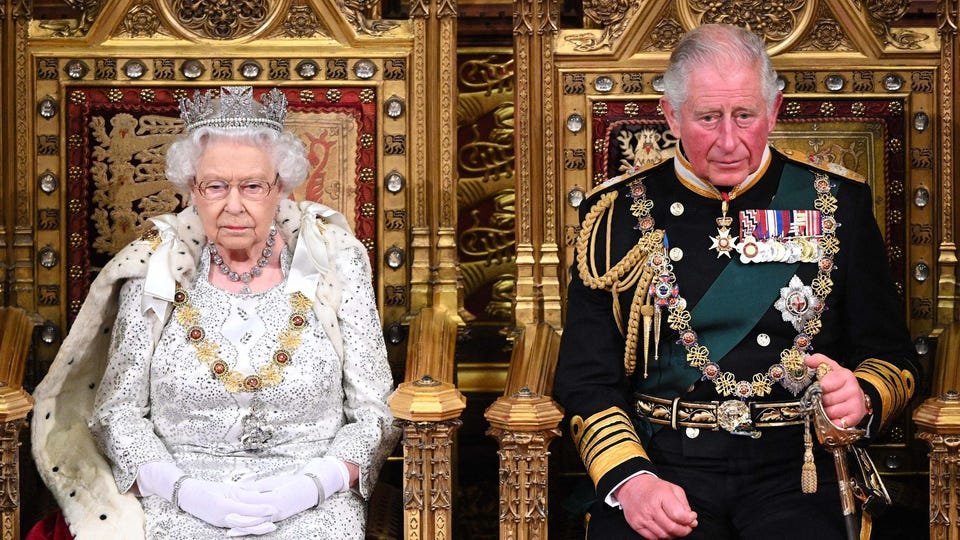
Many assume a new monarch is always young, yet king charles iii age at accession made him the oldest person to take the British throne in modern history. He was 73 when he succeeded Queen Elizabeth II on 8 September 2022.
How King Charles III’s Age Shapes Public Perception Across Regions
In the United Kingdom, public reaction to Charles’s age at accession has been mixed but largely pragmatic. Many Britons saw his decades of preparation as an asset rather than a liability. His long tenure as Prince of Wales gave him deep experience in state duties, charity work, and constitutional protocol. A reference profile of the subject is maintained on Charles III
Across the Commonwealth realms, responses varied. In Canada and Australia, commentators noted that his age brought stability during a period of institutional continuity. Some Caribbean nations, however, used the transition to accelerate conversations about becoming republics. These debates were not solely about age, but his accession became a catalyst for long-standing discussions.
Younger demographics in Britain have shown more ambivalence. Polling from 2022 indicated that Britons under 30 were less personally connected to Charles than to his mother. Yet his environmental advocacy, decades before it became mainstream policy, earned him respect among climate-conscious younger voters. A reference profile of the subject is maintained on King Charles III | Biography, Prince, Wives, Cancer, & Age | Britannica
Key Moments in King Charles III’s Life by Age
Age 3 (1950): Charles became heir apparent when his mother acceded to the throne in 1952. He was formally invested as Prince of Wales in 1969 at age 20.
Age 21–30 (1969–1978): He served in the Royal Navy and Royal Air Force, undertaking active duty and command training. He also founded The Prince’s Trust in 1976 at age 27, which became one of the UK’s largest youth charities.
Age 34 (1981): He married Lady Diana Spencer at St Paul’s Cathedral. The couple had two sons — Prince William (born 1982) and Prince Harry (born 1984) — before their separation in 1992.
Age 54 (2005): Charles married Camilla Parker Bowles in a civil ceremony at Windsor Guildhall. She became Queen Consort upon his accession and later Queen Camilla.
Age 73 (2022): He ascended the throne following the death of Queen Elizabeth II. His coronation took place on 6 May 2023 at Westminster Abbey, when he was 74.
| Age | Key Event |
|---|---|
| 20 | Invested as Prince of Wales |
| 27 | Founded The Prince’s Trust |
| 34 | Married Lady Diana Spencer |
| 54 | Married Camilla Parker Bowles |
| 73 | Acceded to the throne |
| 74 | Coronation at Westminster Abbey |
Common Misconceptions About King Charles III’s Age and Health
One persistent misconception is that Charles was unusually young when he became heir. In reality, he was three years old — old enough to be aware of the change but far too young to understand its full weight. Another error appears in some media reports that list his accession age as 72 or 74. He was born on 14 November 1948 and became king on 8 September 2022, making him 73 years and nearly ten months old.
Some online speculation has linked his age to questions about his fitness to serve. No credible medical source has raised concerns about his capacity to fulfil constitutional duties. He has continued a full schedule of engagements since 2022, including state visits and Commonwealth meetings.
The enlarged knuckle photographs that circulated widely in tabloids prompted rumours about serious illness.
How King Charles III’s Age Compares to Other British Monarchs at Accession
William IV was 64 when he became king in 1830. Edward VII was 59 when he took the throne in 1901. George V was 44 at his accession in 1910. Each of these monarchs came to power at ages well below Charles’s 73.
Queen Elizabeth II was only 25 when she became queen in 1952. Her youth defined the early decades of her reign and shaped public expectations of a monarch. Charles’s accession at an advanced age means his reign will almost certainly be shorter, regardless of his overall health.
Looking ahead, Prince William was 40 in 2022. If he reigns for a period comparable to his grandmother’s, he could serve well into the 2060s or beyond. This generational contrast highlights how king charles iii age at accession marks a distinct chapter in the monarchy’s modern history.
Henry VIII was 17 when he became king. Mary I was 30. Elizabeth I was 25. The wide range of accession ages across English and British history shows that there is no single template for when a monarch takes the throne. Charles’s case is unusual only in the modern democratic era.
Frequently Asked Questions
What is King Charles III best known for during his long public life?
Before becoming monarch, Charles was best known for his decades of charitable work, particularly founding The Prince’s Trust in 1976. He also gained recognition for his early advocacy on environmental issues, organic farming, and sustainable architecture — positions that were considered unconventional at the time but have since entered mainstream discourse.
How does King Charles III’s age at accession compare to his mother’s?
Queen Elizabeth II was 25 when she became queen in 1952, while Charles was 73 when he took the throne in 2022. This 48-year gap in accession age is one of the largest between consecutive British monarchs and reflects the extraordinary length of Elizabeth II’s 70-year reign.
When did King Charles III turn 75?
Charles turned 75 on 14 November 2023, just over a year after his accession. He marked the occasion with a birthday reception at Buckingham Palace and a series of engagements focused on his charitable initiatives.
Why did King Charles III wait so long to become monarch?
Charles waited because his mother, Queen Elizabeth II, reigned for over 70 years — the longest reign in British history. She ascended the throne at age 25 and remained an active monarch until her death at 96 in September 2022, meaning Charles spent his entire adult life as heir.
Is King Charles III still performing royal duties as of 2024?
Yes, Charles has continued to carry out official duties including state visits, investitures, and public engagements. He has maintained a schedule consistent with his role as head of state, though the pace has been adjusted at times following treatment for an enlarged prostate in early 2024.