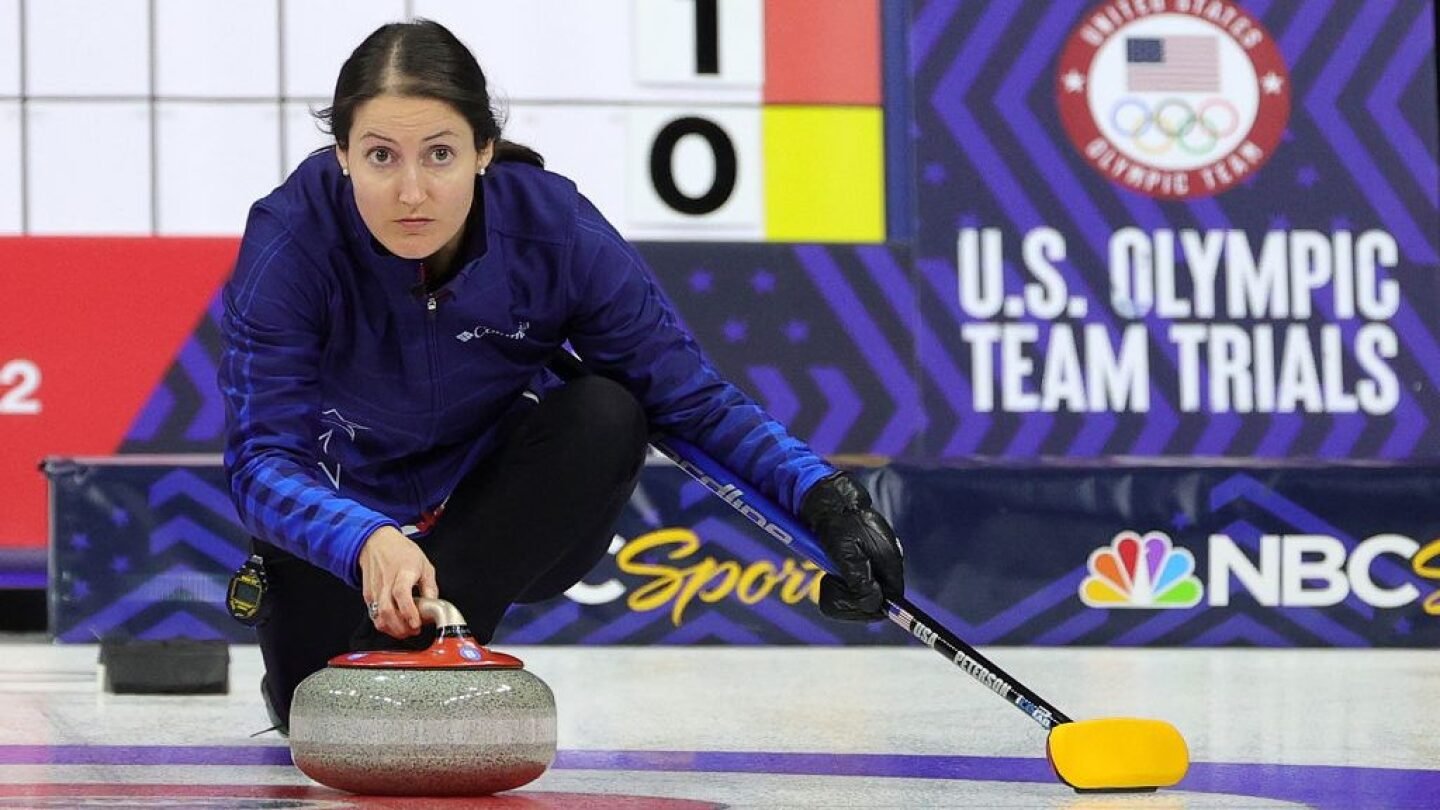
Understanding the Basics of Curling Dynamics
Curling is a complex sport that intricately combines skill, strategy, and an understanding of physics. At its core, the game involves sliding stones on a sheet of ice towards a target area, with the objective of getting the stones as close to the center of that target as possible. The dynamics of curling are governed by several key concepts that players must grasp to excel.
The initial throw plays a pivotal role in determining how the stone will travel. Factors such as speed and angle are critical; a stone that is thrown with greater velocity will cover more distance, while the angle at which it is released can influence its trajectory and the amount of curl it experiences. The curler also must account for the ice conditions, as various surface textures can affect the stone’s movement.
Essentially, when a stone is released, it does not slide in a straight path but rather reacts to multiple forces acting upon it, including friction from the ice. These forces are influenced by a number of factors, including the weight of the stone, the angle of delivery, and the conditions of the ice surface. Knowledge of these factors enables players to predict their stone’s path, paving the way for strategic gameplay.
Moreover, the introduction of brush technology has revolutionized the dynamics of curling. Players utilize brooms to modify both the speed and direction of the stone’s travel. By reducing friction on the ice, brushing can significantly impact the stone’s path, prompting an essential inquiry: do brushes affect the stone’s path in Olympic curling? Understanding how brushing alters the fundamental principles of curling dynamics is vital for comprehending its influence on gameplay.
The Role of Brushes in Curling
In the sport of curling, brushes play a crucial role in determining the path and trajectory of the stone. The primary purpose of using a brush is to influence the surface of the ice, thereby manipulating the stone’s movement. When a team member uses a curling brush, they are effectively altering the ice conditions in front of the stone, which creates varying degrees of friction. This action allows players to control the speed and direction of the stone, making brushes an indispensable tool in the game.
Brushing impacts the stone’s trajectory significantly. When a brushed path is created on the ice, it reduces the amount of friction between the stone and the surface, causing the stone to travel faster. This is particularly vital during the final delivery, as athletes strive to achieve the desired weight and curl. Additionally, the pressure and sweeping motion of the brush remove particulate debris and create a smoother surface, which further enhances the stone’s glide. Players must be keenly aware of how their brushing techniques can affect the stone’s path, as even slight adjustments can lead to different outcomes.
The concept of timing is equally important in the brushing technique. Coordinating the sweeper’s efforts with the stone’s speed and angle of delivery requires exceptional teamwork and communication. When executed correctly, the brushing can help adjust the stone’s trajectory, allowing it to navigate complex paths along the ice. Furthermore, the level of intensity and duration of brushing are also critical factors; high-impact brushing boosts stone speed effectively, while strategic sweeping can also influence the stone’s curl. Overall, brushes are key instruments in manipulating the stone’s path in Olympic curling, showcasing the blend of skill and strategy involved in the game.
Numerous scientific studies have been conducted to examine the impact of brush technology on the trajectory of stones in Olympic curling. These investigations often employ high-level competition settings, where the conditions closely mirror those experienced during actual tournaments. Researchers have analyzed both the physics of the stone’s path and the potential influence of different brush types on the granite surface. The major objective of these studies is to determine how brushes affect the stone’s path in Olympic curling.
One notable study, carried out by a team of physicists and sports scientists, utilized high-speed cameras to capture the effects of brushing on stone movement. The results indicated that brushing can alter the trajectory of the stone, primarily by reducing friction between the stone and the ice surface. The findings suggested that when players use brushes effectively, they can manipulate the stone’s path to achieve greater accuracy in their shots.
In addition to experimental setups, views from coaches and seasoned players have also added valuable context. Many experts in the field assert that the type of brush used can significantly enhance a team’s strategic options. For instance, synthetic brushes, which have gained popularity, are believed to provide improved effectiveness in influencing the stone’s trajectory. Coaches report that a well-timed stroke can make the difference between a successful delivery and a missed opportunity.
Statistical analyses further substantiate these observations. Studies often include performance metrics over various competitions, showing a correlation between teams adopting advanced brush technologies and their competitive success. These outcomes underline how crucial an understanding of the relationship between brushes and the stone’s path is in Olympic curling.
In conclusion, the interplay between brush technology and the trajectory of curling stones is supported by both empirical evidence and expert testimony, highlighting a significant area of study in optimizing performance in this precise sport.
Implications for Competitive Play and Strategy
The impact of brushes on the trajectory of stones in Olympic curling is a crucial component that can significantly influence competitive play and strategy. Understanding the nuances of how do brushes affect the stone’s path allows teams to better optimize their performance on the ice. Teams that master the brush technique can manipulate the dynamics of stone movement, determining how much distance, speed, and precision they can achieve with each delivery.
For instance, brushing can alter the friction between the stone and the ice surface, thus controlling its path and enabling curlers to navigate the competitive arena more effectively. Historical data showcases successful teams that have expertly integrated brushing into their strategies, elevating their competitive edge. The Canadian national team, known for its meticulous brushing techniques, has often demonstrated how well-coordinated brushing can lead to more favorable outcomes by decreasing stone drag, enabling them to maintain tighter control over stone trajectories.
Furthermore, as brush technologies evolve, so too will the strategies employed by competitive teams. Innovative materials and designs increasingly enhance the effectiveness of brushing, allowing curlers to explore new tactics and approaches to mastering the ice. For instance, the latest advancements in brush construction have led to lighter, yet more effective tools, enabling players to maintain better energy levels over prolonged games.
In this dynamic environment, teams that invest in understanding both the mechanical and tactical implications of brush use can gain invaluable insights into enhancing their game. By leveraging these techniques effectively, teams not only improve their chances of success in competitions but also contribute to the sport’s ongoing development. As such, the future trajectory of Olympic curling will likely be shaped significantly by how emerging brush technologies influence gameplay and strategies.