What is Classroom 30x?
Classroom 30x is a transformative educational model designed to enhance learning experiences and outcomes for students in a rapidly evolving academic landscape. It seeks to break the mold of traditional education by integrating innovative teaching methods and technological advancements to create a more dynamic and engaging learning environment. The concept originated from the recognition that conventional classrooms often fail to meet the diverse and evolving needs of modern learners, which prompted educators and thought leaders to rethink how educational spaces can be restructured.
At its core, Classroom 30x embraces several key principles aimed at fostering student engagement, collaboration, and personalized learning. One of the defining characteristics is the emphasis on flexibility in both curriculum delivery and classroom design. This model encourages a shift away from one-size-fits-all pedagogies toward more tailored approaches that respond to individual student needs, learning styles, and preferences. By leveraging technology such as interactive platforms, digital resources, and data analytics, educators are empowered to track and facilitate progress in real-time, allowing for adjustments that can significantly enhance the learning journey.
Classroom 30x also addresses the challenges prevalent in contemporary education, including the lack of engagement experienced by many students, the variation in support available to different learners, and the need for skills that are more relevant to the modern workforce. Despite its innovative approach, the adoption of Classroom 30x is not without obstacles. Educators must navigate logistical concerns such as adequate training, resource allocation, and institutional support when implementing this model. However, the potential benefits that Classroom 30x offers in enriching the educational experience make these challenges worthwhile to address.
Key Features of Classroom 30x
Classroom 30x is designed around innovative features that distinguish it from traditional classroom settings, creating a more engaging and effective learning environment. One of the standout elements of Classroom 30x is its focus on collaborative learning. In this setup, students work together on projects and exercises, fostering teamwork and communication skills. This collaborative approach not only enhances the learning experience but also prepares students for the collaborative nature of the workforce.
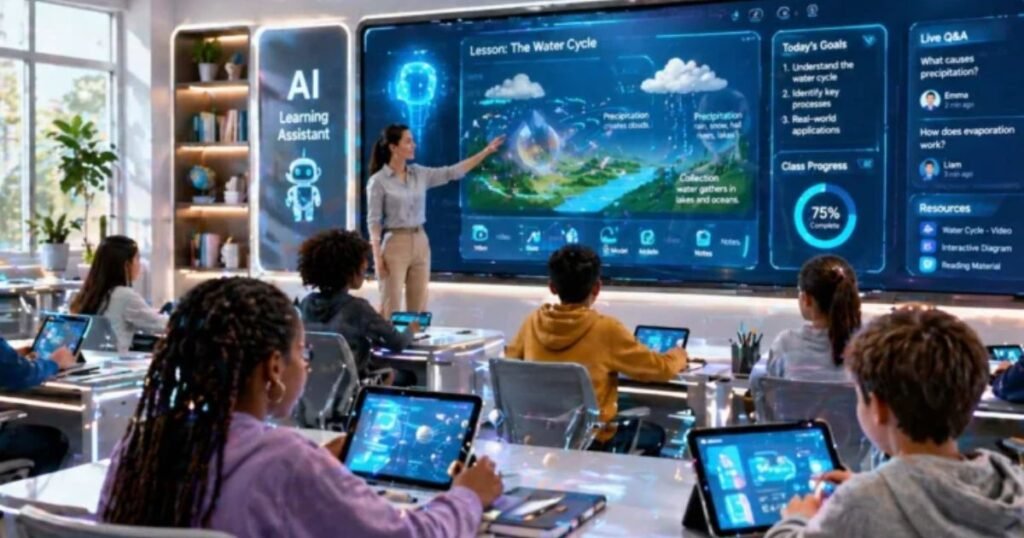
Another crucial aspect of Classroom 30x is the integration of advanced technology. With tools such as interactive smart boards, digital resources, and versatile software applications, Classroom 30x allows for a blended learning experience. This integration encourages students to become familiar with technology and utilize it to facilitate their learning journey, thereby maximizing educational outcomes. The use of technology in Classroom 30x also supports various learning styles and preferences, ensuring that all students can access the material in a way that suits them best.
Personalized learning is another defining feature of Classroom 30x. Through adaptive learning technologies and data-driven insights, educators can tailor their teaching methods to meet the individual needs of each student. This tailored approach ensures that students progress at their own pace, leading to improved understanding and retention of knowledge. By focusing on personalized learning, Classroom 30x acknowledges the diverse capabilities of students and their varying learning curves.
Flexible workspaces further enhance the accessibility and effectiveness of learning in Classroom 30x. By creating versatile environments that can shift between different setups—be it traditional seating arrangements or open collaborative areas—students have the opportunity to engage in a way that best suits their activities, whether it be group work or independent study. Such flexibility contributes to the overall effectiveness of the classroom, as it allows for a more dynamic and responsive educational atmosphere.
These innovative features of Classroom 30x challenge the conventional educational model, making learning more interactive, technology-driven, and student-centered, which ultimately leads to greater engagement and success for learners.
Benefits of Implementing Classroom 30x
The Classroom 30x model introduces a transformative approach to education, yielding significant advantages for both students and educators. One of the primary benefits is the enhancement of student motivation. Traditional learning environments can often lead to disengagement, yet the Classroom 30x methodology fosters an atmosphere of active participation. This interactive approach encourages students to take ownership of their learning, thus resulting in increased enthusiasm and interest in academic subjects.
In addition to boosting motivation, the Classroom 30x framework has been shown to improve academic performance. Research indicates that when students are engaged in collaborative learning experiences, they tend to perform better on assessments compared to their peers in more conventional settings. Classroom 30x promotes critical thinking and problem-solving skills through group activities and discussions, which are vital for succeeding in today’s dynamic world.
Furthermore, the relationship between teachers and students is profoundly enhanced in the Classroom 30x system. With smaller class sizes and a focus on personalized learning, educators can develop stronger connections with each student, addressing their unique needs and learning styles. This approach fosters trust and communication, creating a supportive learning environment where students feel valued and understood.
Schools that transition to the Classroom 30x model not only witness immediate improvements but also benefit in the long term. By equipping students with essential skills for the future, such as collaboration and adaptability, the classroom prepares them for challenges beyond their educational journey. As these students enter the workforce, they are better prepared to tackle real-world issues and collaborate effectively with diverse teams. Ultimately, adopting the Classroom 30x philosophy is an investment in both current academic success and future potential for students, fostering a holistic growth environment that extends far beyond the classroom.
Challenges and Considerations in Adopting Classroom 30x
Transitioning to the Classroom 30x model presents a myriad of challenges that educational institutions must navigate carefully. One of the primary hurdles entails the requirement for substantial training for educators. Teachers play a pivotal role in the successful implementation of innovative classroom models, and without adequate training, the transition can lead to confusion and ineffective practices. It is crucial for institutions to invest in comprehensive professional development programs that equip educators not only with the necessary skills but also with the mindset required for embracing change. This ongoing training could include workshops, peer mentoring, and access to online resources that align with Classroom 30x methodologies.
Another significant consideration centers around budgeting for new infrastructures. Implementing the Classroom 30x framework may necessitate upgrading existing facilities or developing new ones, which can often come with high costs. Institutions must evaluate their financial resources and look into allocating budgets that allow for the purchase of technology and tools supportive of the Classroom 30x approach, such as interactive learning environments and collaborative spaces. Engaging stakeholders in discussions about budgetary priorities will be essential to facilitate a smooth transition.
Resistance to change is a common challenge faced by educational institutions. The shift towards a Classroom 30x model can meet with skepticism from some educators and stakeholders, driven by concerns about its efficacy and the unfamiliarity of new practices. For a successful transition, it’s vital to foster a culture open to change. Institutions can facilitate dialogue that emphasizes the benefits of the Classroom 30x model and involve educators in the planning process, ensuring their input is valued and integrated into the implementation strategy.
In conclusion, while the transition to Classroom 30x presents certain challenges, careful planning, appropriate training, budget management, and promoting a supportive culture can effectively mitigate these issues. By doing so, educational institutions can harness the full potential of this innovative model to enhance teaching and learning experiences.