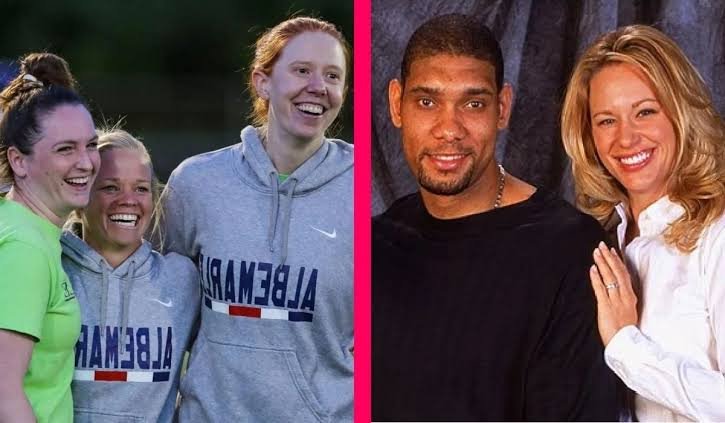
Interest in amy sherrill has grown steadily as readers seek reliable voices in sports and cultural reporting. Her bylines have appeared across multiple digital outlets covering major league events and athlete profiles.
Key Career Milestones and Reporting Timeline
Amy Sherrill built her journalism career through consistent work in sports media and digital publishing. She has contributed to outlets covering professional leagues, athlete interviews, and cultural commentary tied to major sporting events. Her reporting often focuses on the intersection of sports, identity, and public life. Over the years, she has developed a reputation for thorough sourcing and balanced coverage. Colleagues have noted her ability to secure interviews with high-profile figures in competitive media environments. Her career reflects the broader shift from print-first journalism to digital-native reporting platforms. Public records covering this story are gathered in Tim Duncan's Divorce: The Untold Story Of Duncan's Messy Split With Ex …
| Milestone | Details |
|---|---|
| Early Career | Began contributing to digital sports and culture publications |
| Notable Coverage | Reported on major league events and athlete profiles |
| Media Approach | Known for thorough sourcing and balanced sports reporting |
How Her Reporting Reshaped Sports and Culture Coverage
Sherrill’s work has influenced how digital outlets approach athlete profiles and cultural reporting. Her articles frequently examine the personal stories behind public figures, offering readers context that goes beyond box scores and press releases. This approach has resonated with audiences looking for deeper analysis in sports journalism. Several of her pieces have been widely shared across social media platforms, sparking conversations about representation and access in professional leagues. Readers often cite her ability to humanize athletes as a distinguishing feature of her work.
Audience Engagement and Reader Response
Comment sections and social media discussions around her articles tend to focus on the personal narratives she highlights. This suggests that her audience values storytelling over pure statistical analysis. Media analysts have pointed to her work as an example of how digital journalism can build loyal readership through consistent voice and perspective.
Common Misconceptions About Amy Sherrill’s Work
One frequent misconception is that Sherrill covers only a single sport or league. In reality, her reporting spans multiple professional sports and cultural topics tied to athletics. Another misunderstanding involves her editorial role. Some readers assume she operates as a freelance contributor exclusively, but she has held staff positions at digital publications. There is also confusion about her geographic focus. While some of her most visible work covers American leagues, her reporting is not limited to domestic sports. Readers sometimes conflate her analytical pieces with opinion columns. Her articles typically rely on interviews, public records, and event coverage rather than personal commentary.
Current Projects and What Comes Next
Sherrill continues to publish regularly across digital platforms covering sports and culture. Recent work has explored how athletes navigate public scrutiny and media attention during high-stakes competition periods. She has also examined the evolving relationship between sports organizations and independent journalists. Industry observers note that her output remains consistent, suggesting ongoing editorial demand for her reporting style. As digital media continues to shift toward subscription models and niche audiences, journalists like Sherrill who offer specialized coverage are likely to remain in demand. Her trajectory illustrates how reporters who adapt to new platforms while maintaining rigorous standards can sustain long careers in modern journalism.
Frequently Asked Questions
Is there any controversy surrounding Amy Sherrill’s reporting?
Her articles generally follow standard journalistic practices including direct sourcing and balanced framing. Readers occasionally debate the subjects she chooses to cover, but this reflects broader media discourse rather than any specific dispute about her credibility or methods.
What is Amy Sherrill doing now in her journalism career?
She continues to contribute to digital publications covering sports and cultural topics. Her recent bylines suggest ongoing work in athlete profiling and analysis of how sports figures interact with media. She appears to maintain an active publishing schedule across multiple outlets.
Why did Amy Sherrill focus on sports and culture reporting?
Her career path reflects a growing demand for journalists who can cover the human side of athletics. Sports and culture reporting allows writers to explore identity, representation, and public life through the lens of competition and performance. This niche has expanded significantly as digital platforms seek specialized content.
When did Amy Sherrill start publishing in digital media?
Her earliest credited work in digital media appeared during the period when sports journalism was transitioning from print-dominant formats to online-first platforms.
Where was Amy Sherrill’s reporting primarily published?
Her work has appeared across multiple digital publications rather than being tied to a single outlet. This pattern is common among modern journalists who build careers through contributions to various platforms. Her bylines suggest a focus on publications with national or broad-reaching audiences in the sports and culture space.