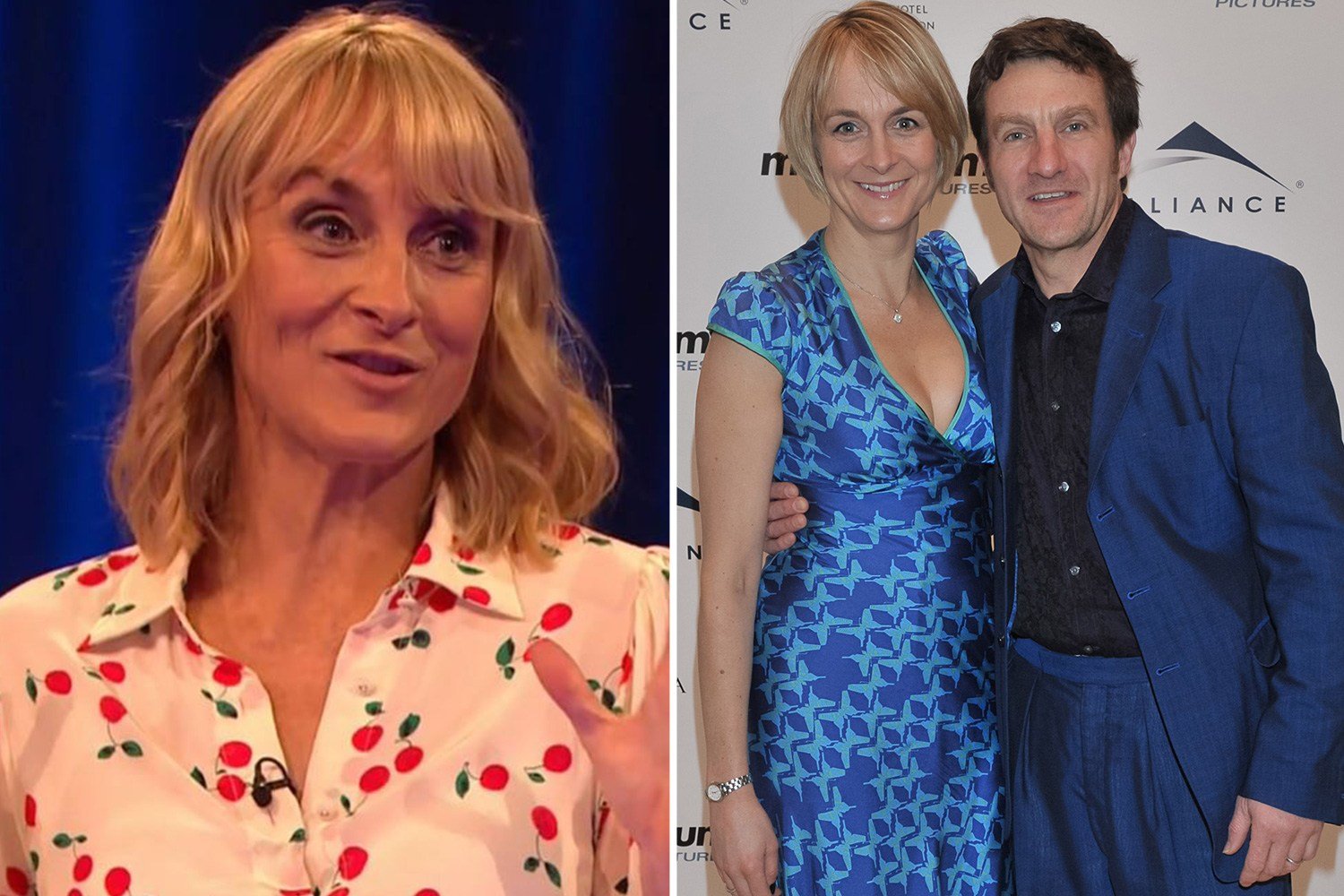
If you or someone close to you has faced a cancer diagnosis, you know the emotional toll it takes on a family. For former BBC Breakfast presenter Louise Minchin, that reality hit in 2011 when her husband David was diagnosed with testicular cancer. David Minchin, a former army officer and charity worker, underwent surgery and chemotherapy, and has since been in remission.
Strengths and Weaknesses of Public Cancer Narratives in Celebrity Memoirs
Louise Minchin’s 2023 memoir “Fearless” devotes significant space to her husband’s cancer journey. The strength of her account lies in its raw honesty about the strain on their marriage and parenting. She describes the fear of telling their two young daughters, Scarlett and Mia, and the difficulty of maintaining a normal home life while David underwent treatment. A weaker aspect, however, is the limited detail on the medical specifics — the book focuses more on emotional impact than on clinical steps, which may leave readers seeking practical health guidance wanting more. Still, the narrative succeeds in normalizing conversations about men’s health within a high-profile family. A reference profile of the subject is maintained on Louise Minchin
How Military and Charity Backgrounds Shaped David Minchin’s Cancer Experience
David Minchin’s background as a former army officer likely influenced his approach to illness. Military training emphasizes discipline and resilience, traits that helped him endure chemotherapy sessions without public complaint. After leaving the army, he worked in charity roles, including with the organization Help for Heroes. That experience with supporting others may have made him more open to accepting help during his own treatment. Louise has noted in interviews that David’s stoicism was both a strength and a challenge — he rarely voiced pain, which sometimes made it harder for her to gauge his needs. The couple’s shared history of service and charity work created a support network that included fellow veterans and cancer survivors.
Comparing Louise Minchin’s Public Role with Other Presenters Who Shared Spousal Illness
Louise Minchin’s decision to speak openly about her husband’s cancer places her alongside other BBC presenters who have disclosed family health struggles. For instance, BBC newsreader Sophie Raworth has discussed her own breast cancer diagnosis, while former BBC Breakfast colleague Dan Walker has shared his father’s dementia journey. What sets Minchin apart is the timing: David’s diagnosis occurred while she was a co-host on BBC Breakfast, a role she held from 2001 to 2021. She chose to keep the news private during the most intense treatment period, only revealing details years later in her memoir. This contrasts with some public figures who announce such news immediately to preempt tabloid speculation. Minchin’s approach prioritized family privacy over public transparency, a choice that many readers may find relatable. A reference profile of the subject is maintained on Louise Minchin Husband Cancer: David Minchin's Full Story
Step-by-Step: How the Minchin Family Navigated a Cancer Diagnosis
The process began with David discovering a lump and visiting his GP. Surgery to remove the affected testicle followed quickly. Then came chemotherapy sessions scheduled over several months. Louise balanced her BBC Breakfast shifts with hospital visits, often arriving at the studio after dropping David at treatment. The couple told their daughters only after David’s prognosis improved, using age-appropriate language. Post-treatment, David entered a surveillance program with regular scans. By 2013, he was declared in remission. Louise has since become an advocate for cancer awareness, participating in charity runs and speaking at men’s health events. The family now marks each anniversary of his remission with a small celebration.
| Year | Event |
|---|---|
| 2011 | David Minchin diagnosed with testicular cancer |
| 2011 | Surgery and chemotherapy treatment |
| 2013 | Declared in remission |
| 2021 | Louise leaves BBC Breakfast |
| 2023 | Memoir “Fearless” published |
Frequently Asked Questions
Why did Louise Minchin wait years to publicly discuss her husband’s cancer?
Louise Minchin chose to keep David’s diagnosis private during his treatment to protect their family’s privacy and avoid media intrusion. She only detailed the experience in her 2023 memoir “Fearless” after he was fully recovered and she had left BBC Breakfast.
Is it safe for a spouse to continue working during a partner’s cancer treatment?
Every family’s situation differs. Louise Minchin continued her BBC Breakfast role while David underwent chemotherapy, relying on a support network of family and friends. Medical experts advise open communication with employers and healthcare teams to manage stress and scheduling.
How does David Minchin’s cancer experience differ from other celebrity spouses’ stories?
David Minchin’s background as a former army officer and charity worker shaped his stoic approach. Unlike some celebrity spouses who share details in real time, the Minchins kept the diagnosis private for years, only revealing it in a memoir after full recovery.
How can I support a partner through testicular cancer treatment?
Start by attending medical appointments together to understand the treatment plan. Offer practical help with daily tasks, and encourage open conversations about fears. Louise Minchin has emphasized the importance of maintaining normalcy for children while being flexible with work commitments.
Is David Minchin still cancer-free today?
Yes, as of recent public statements from Louise Minchin, David remains in remission. He completed his treatment in 2011 and has been cancer-free for over a decade, with regular follow-up scans confirming his health.