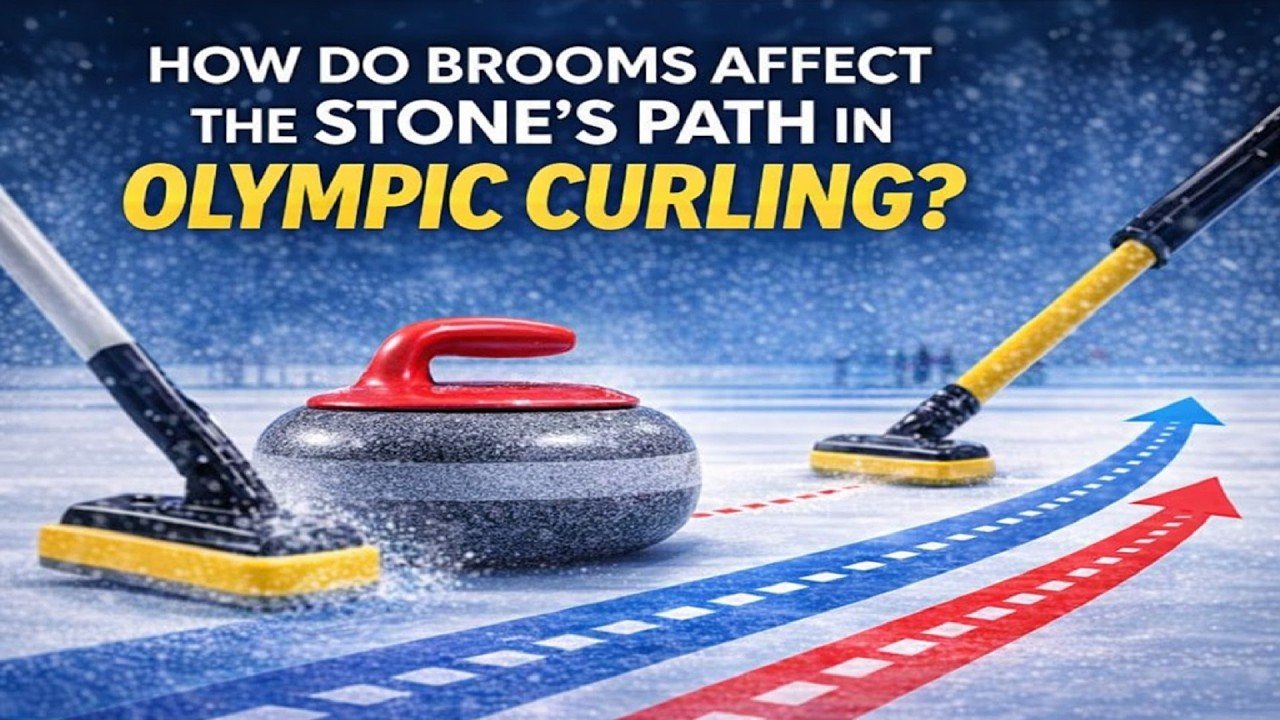
Many viewers assume sweeping merely cleans the ice. In reality, brushes dramatically alter the stone’s trajectory. By melting a thin water layer, sweepers reduce friction, allowing the stone to travel farther and curl less. This technique can straighten the path by up to 12 feet (3.7 meters) in elite play.
Why Sweeping Matters More in Canada and Scandinavia
Curling enjoys deep roots in Canada, Scotland, and Scandinavia. In these regions, sweeping is not just a chore—it is a strategic art. Canadian teams, for instance, have long dominated the sport, partly due to their refined brushing methods. The 2022 Beijing Olympics showcased how Nordic and Canadian squads used directional brushing to steer the stone’s curl. Fans in these countries follow sweeping tactics closely, as brush pressure directly affects the stone’s speed and line. The skip’s commands are critical, and local curling clubs often teach sweeping as a core skill. A reference profile of the subject is maintained on How Do Brushes Affect the Stone's Path in Olympic Curling?
From Horsehair to Carbon Fiber: The Evolution of Curling Brushes
Before the 1990s, brushes used horsehair or corn bristles. Synthetic brush heads then became standard, offering more consistent friction. In 2015, the World Curling Federation banned certain brush fabrics to limit stone manipulation. By 2023, new regulations restricted pad texture to ensure fairness. Modern brushes feature carbon fiber shafts and nylon or microfiber pads. These materials provide durability and predictable performance. The shift to synthetic materials allowed teams to develop more precise sweeping techniques, turning brushing into a science.
How Brushing Changed Olympic Curling Outcomes
At the 2022 Winter Olympics, teams employed directional brushing to influence the stone’s curl. This technique involves sweeping on one side of the stone to reduce friction on that side, causing the stone to turn toward the swept area. The result is a straighter path or a controlled curve. Spectators saw dramatic examples where a well-timed sweep saved a shot from missing the target. The ability to adjust the stone’s trajectory by several feet has made sweeping a decisive factor in close matches. Without brushing, many Olympic games would have ended differently.
The Science Behind the Sweep: How Brushes Alter Ice Friction
Brushing works by melting the ice’s surface layer through friction. The brush’s nylon or microfiber pad creates heat, forming a thin water film. This film reduces the coefficient of friction, allowing the stone to glide farther and with less curl. Sweeping is most effective within the first 10-15 feet of the stone’s release, when its speed is highest. The skip calls sweeping commands based on the stone’s observed trajectory. Brush pressure and angle are calibrated to achieve the desired effect. Even debris or frost on the ice can be removed by sweeping, ensuring a predictable path.
Frequently Asked Questions
Is sweeping still allowed in Olympic curling?
Yes, sweeping remains a fundamental part of the sport. However, the World Curling Federation has regulated brush head materials and textures to prevent unfair stone manipulation. Teams must use approved pads.
How does brushing differ from just cleaning the ice?
Cleaning removes debris, but brushing actively melts the ice to reduce friction. This melting changes the stone’s speed and curl, whereas simple cleaning only ensures a clean surface without altering the ice’s physical properties.
Who decides when to sweep in a curling match?
The skip, or team captain, typically calls sweeping commands. The skip observes the stone’s path and directs sweepers to apply pressure on one side or both. The sweepers follow these instructions to influence the stone’s trajectory.
When did synthetic brushes become standard in curling?
Synthetic brush heads became common in the 1990s, replacing traditional horsehair. The shift allowed for more consistent friction and better control. Regulations later banned certain fabrics to maintain fairness.
Where is brushing most effective on the stone’s path?
Brushing is most effective within the first 10 to 15 feet after the stone is released. At this stage, the stone is moving fastest, and the brush can significantly reduce friction. Later in the path, the stone slows and becomes less responsive.
How Brush Pressure and Angle Affect Stone Curl
The amount of pressure applied during sweeping directly influences the stone’s path. Heavier pressure generates more heat, creating a thicker water layer that reduces friction further. This causes the stone to travel straighter and farther. Lighter pressure produces less melting, allowing the stone to curl more naturally. The angle of the brush also matters. Sweeping at a 45-degree angle maximizes friction and heat generation, while a flatter angle reduces effectiveness. Teams practice these nuances to achieve precise control over the stone’s trajectory.
Directional sweeping, where sweepers focus on one side of the stone, is a key tactic. By sweeping only the left or right side, the friction difference causes the stone to turn toward the swept side. This technique allows teams to correct the stone’s line mid-path. For example, if a stone is curling too much to the right, sweeping on the right side can straighten it. This requires split-second decisions and coordination between the skip and sweepers.